Whiskey: The Handwritten Font That Feels Like a Friendly Chat
There's a certain magic in typography that goes beyond mere legibility. It's in the curve of a letter, the texture of the stroke, the personality that leaps off the page. Some fonts are tools; others are storytellers. Whiskey belongs firmly in the latter category. It's not just a collection of glyphs—it's a vibe. As a sweet and friendly handwritten font, it carries an organic, approachable energy that can instantly soften a design, inject warmth into a brand, or add a human touch to digital communication. If you've been searching for a typeface that feels less like a corporate mandate and more like a personal note, you've likely just found it.
The Visual Personality of Whiskey
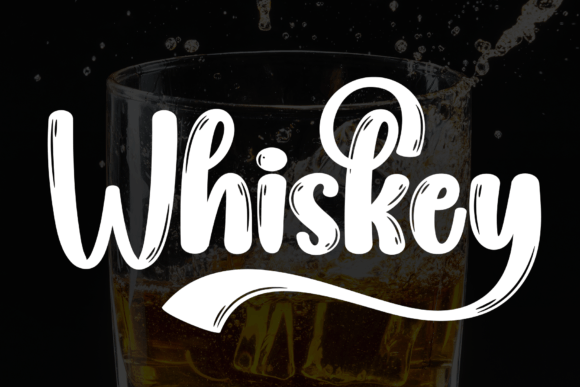
At its core, Whiskey is a handwritten font that masters the balance between casual and polished. Its strokes mimic the natural flow of a brush or marker, with slight variations in weight that give it a lived-in, authentic feel. Unlike some script fonts that can feel overly formal or calligraphic, Whiskey stays grounded. The letterforms are open and legible, with enough consistency to work in professional contexts while retaining the charming irregularities that make handwritten styles so engaging. It’s the typographic equivalent of a warm smile or a firm handshake—immediately disarming and trustworthy.
This creative font isn't about shouting for attention; it's about connection. Its rounded terminals and gentle baselines create a sense of comfort, making it ideal for projects where you want to establish a personal rapport with your audience. Whether you're designing a logo for a boutique bakery, crafting social media graphics for a wellness coach, or laying out a magazine feature on artisan crafts, Whiskey adds a layer of authenticity that rigid, geometric typefaces simply can't replicate.
Where Whiskey Truly Shines: Practical Applications
The beauty of a versatile display font like Whiskey is its adaptability. It’s not confined to one niche; it’s a chameleon that can enhance a wide array of projects. Let’s break down some of its most effective applications.
In Branding and Logo Design: A brand’s identity is its first impression. For small businesses, entrepreneurs, and creatives, using Whiskey in a logo design or brand mark can immediately communicate approachability and craftsmanship. Imagine a local coffee roaster, a handmade jewelry line, or a freelance photographer's portfolio. Whiskey sets a tone that says, "We're real people behind this product." It’s a premium font choice that doesn’t feel pretentious, helping to build a brand identity that feels both professional and personal.
In Marketing and Digital Content: In the fast-scrolling world of digital marketing, grabbing and holding attention is everything. Whiskey excels as a display font for headlines, subheadings, and call-to-action buttons on websites. Its friendly demeanor can increase click-through rates and engagement. For social media graphics, it’s a powerhouse. Use it for Instagram quotes, Facebook event promotions, or Pinterest pins to add a relatable, human element that cuts through the noise of sterile, automated content. It pairs beautifully with clean sans serif fonts for body text, creating a dynamic and readable visual hierarchy.
In Publishing and Editorial Design: While not suited for long-form book text, Whiskey has a valuable place in editorial design. Think chapter titles in a lifestyle cookbook, pull quotes in a wellness magazine, or header graphics for a blog. It draws the reader in, creating focal points that feel organic and inviting. For self-publishers and bloggers, it’s a fantastic tool for creating a consistent visual language across your cover art, blog graphics, and promotional materials.
In Packaging and Print: The tactile world of print is where handwritten fonts often feel most at home. Whiskey is a natural fit for packaging design—think labels for gourmet sauces, craft beer, or organic skincare products. It suggests artisanal quality and care. On stationery, it transforms invitations, thank-you cards, and business cards from generic to memorable. Its legibility at various sizes makes it a reliable choice for these physical design assets.
Making Whiskey Work for You: A Practical Guide
Choosing the right font is a strategic decision. Here’s how to evaluate and implement Whiskey effectively in your projects.
Evaluating Project Fit: Ask yourself: What is the core emotion or message of this project? Whiskey is your ally for warmth, friendliness, creativity, and approachability. It’s perfect for lifestyle brands, creative services, food and beverage, wellness, and personal projects. It might be less appropriate for a law firm, a fintech startup, or a project requiring extreme formality. Context is king.
Mastering Font Pairing: A font pairing is a conversation. Whiskey, as a script font, needs a partner that provides structure and contrast. Pair it with a clean, geometric sans serif font like Montserrat or Open Sans for body text to ensure readability. For a more sophisticated look, a classic serif font like Playfair Display can create an elegant, yet approachable, contrast. The key is to let Whiskey be the star of headlines and short phrases while its partner handles the heavy lifting of paragraphs.
Checking the Toolkit: Before you commit, explore what the font family offers. Does it include multiple weights (like light, regular, bold)? Are there stylistic alternates or ligatures that can add variety? Understanding the full range of modern typography features in Whiskey allows you to use it more creatively and avoid visual monotony across large projects.
Prioritizing Readability: Never sacrifice clarity for style. Always test Whiskey at the size it will be used. A font that looks charmingly handwritten on a poster might become an illegible scrawl at 12px on a mobile screen. Use it strategically for larger text elements where its personality can shine without compromising the user experience.
Understanding Licensing: For any commercial project—from a client's logo to a product sold online—you need a commercial font license. Ensure you acquire Whiskey from a reputable source that provides clear licensing terms for your intended use, whether it’s for a single project or an unlimited number of designs. This protects both you and the font creator.
In the end, Whiskey is more than just another entry in the vast library of design assets